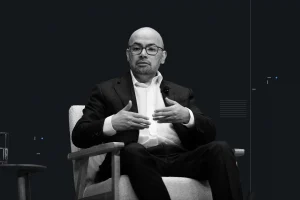


Barnaby Joyce is one of Australia’s most recognisable and outspoken political figures. Born in Tamworth, New South Wales, he studied financial accounting at the University of New England before working as an accountant and rural banker. His regional background later became central to his political identity.
Joyce entered federal politics after being elected to the Australian Senate for Queensland in 2004. In 2013, he moved to the House of Representatives and won the rural seat of New England. He went on to serve as leader of the National Party and as deputy prime minister under prime ministers Malcolm Turnbull and Scott Morrison.
Throughout his career, Joyce has focused heavily on agriculture, water management, regional development and infrastructure. Supporters see him as a forceful advocate for farmers and rural communities that often feel overlooked by major cities. Critics, however, have frequently challenged his positions on climate policy, renewable energy and social issues.
Joyce’s political career has also included significant controversy. In 2017, the High Court ruled that he had been ineligible to stand in the previous election because he held New Zealand citizenship by descent. After renouncing that citizenship, he returned to Parliament by winning a by-election.
His direct communication style has helped him maintain a strong public profile, but it has also made him a polarising figure. Whether viewed as an authentic regional representative or a disruptive political personality, Barnaby Joyce has had a lasting influence on Australian public life and the national debate over the future of rural Australia.